Courses:
-
3-Day Intensive Cell Culture TrainingOverview This intensive 3-day hands-on cell culture workshop is designed for students, researchers, laboratory technicians, and professionals who want to gain practical experience in mammalian cell culture techniques. The course covers both adherent and non-adherent cell culture systems, guiding participants through the complete workflow from BSL-2 safety principles, aseptic technique, cell thawing, seeding, passaging, counting, viability testing, and troubleshooting. Participants will work directly in the laboratory and practice essential techniques required for independent cell culture work. The workshop combines theoretical background with practical training to help participants build confidence in sterile handling, experimental planning, and data interpretation. By the end of the course, participants will have a strong foundation in routine mammalian cell culture and will be able to perform basic cell culture workflows safely and independently. Learning Objectives By the end of this workshop, participants will be able to: Understand basic principles of mammalian cell culture Apply BSL-2 laboratory safety guidelines Perform aseptic work under a biosafety cabinet Handle both adherent and non-adherent cells Thaw, seed, and maintain mammalian cells Perform cell passaging using appropriate techniques Count cells manually and understand automated cell counting principles Assess cell viability using Trypan Blue and MTT-based methods Recognize common contamination risks and technical problems Troubleshoot basic cell culture issues Interpret simple cell culture results and document experiments properly Target Audience This course is ideal for: Master’s and PhD students Research assistants and laboratory technicians Early-career researchers Biotechnology and biomedical science students Professionals entering cell culture-based laboratory work Scientists who want to refresh or strengthen their basic cell culture skills Participants preparing for laboratory work in academia, biotech, or pharmaceutical research Course Program Day 1: BSL-2 Safety, Aseptic Technique & Seeding Fundamentals Time Activity Format 09:00 – 09:30 Introduction & Course Overview Lecture 09:30 – 10:30 Introduction to BSL-2 Guidelines and Laboratory Safety Lecture 10:30 – 10:45 Coffee Break 10:45 – 12:00 principles of Mammalian Cell Culture: Adherent vs. Non-Adherent Cells Lecture 12:00 – 12:30 Introduction to Aseptic Technique and Biosafety Cabinet Work Demonstration 12:30 – 13:30 Lunch Break 13:30 – 15:00 Cell Thawing and Recovery: Preparing Cells for Culture Laboratory 15:00 – 15:15 Coffee Break 15:15 – 16:30 Cell Seeding Practice: Adherent and Non-Adherent Cell Systems Laboratory 16:30 – 17:00 Experimental Documentation, Discussion & Preparation for Day 2 Discussion & Q&A Day 2: Passaging, Cell Counting & Viability Testing Time Activity Format 09:00 – 09:20 Welcome, Recap of Day 1 and Questions Q&A 09:20 – 10:30 Principles of Cell Passaging and Culture Maintenance Lecture 10:30 – 10:45 Coffee Break 10:45 – 12:00 Passaging of Adherent Cells: Trypsinization and Re-Seeding Laboratory 12:00 – 12:30 Handling and Maintenance of Non-Adherent Cells Laboratory 12:30 – 13:30 Lunch Break 13:30 – 14:30 Manual Cell Counting Using Hemocytometer Laboratory 14:30 – 15:15 Introduction to Automated Cell Counting and Comparison of Methods Demonstration 15:15 – 15:30 Coffee Break 15:30 – 16:30 Cell Viability Assessment Using Trypan Blue Laboratory 16:30 – 17:00 Data Recording, Calculation Practice & Troubleshooting Discussion Discussion & Q&A Day 3: Hood Mastery, Viability Assays, Troubleshooting & Interpretation Time Activity Format 09:00 – 09:20 Welcome, Recap of Day 2 and Questions Q&A 09:20 – 10:30 Hood Technique Refinement: Best Practices for Sterile Work Laboratory 10:30 – 10:45 Coffee Break 10:45 – 12:00 Common Cell Culture Problems: Contamination, Poor Growth, Cell Death and Handling Errors Lecture & Discussion 12:00 – 12:30 Introduction to MTT Assay and Cell Viability Readouts Lecture 12:30 – 13:30 Lunch Break 13:30 – 14:45 MTT Assay Workflow or Demonstration-Based Viability Analysis Laboratory / Demonstration 14:45 – 15:30 Data Interpretation Workshop: Understanding Cell Growth and Viability Results Workshop 15:30 – 15:45 Coffee Break 15:45 – 16:30 Troubleshooting Case Studies and Group Discussion Discussion 16:30 – 17:00 Final Quiz, Feedback Session and Certificate Information Q&A What Participants Will Gain Participants will gain: Hands-on experience in mammalian cell culture workflows Practical laboratory skills in sterile and aseptic handling Confidence working under a biosafety cabinet Experience with adherent and non-adherent cell systems Practical knowledge of thawing, seeding, passaging, and maintaining cells Experience with manual cell counting and viability assessment Understanding of Trypan Blue and MTT-based viability assays Troubleshooting strategies for common cell culture problems Better understanding of cell culture documentation and data interpretation Preparation for independent laboratory work in academic or industrial settings XTech Academy in collaboration with Springer Campus Location: XTech Academy, Heidelberg Duration: 4 days Format: Hands-on training course Level: Intermediate -
4-Day Hands-On CRISPR-Cas9 Training ProgramPractical Training in Genome Editing, Molecular Biology & Data Interpretation -

-
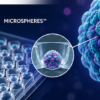
Advanced 3D Cell CultureFunctional Spheroids: Microcavity Arrays, Oxygen Profiling and Mitochondrial -
PCR, qPCR & Gene Expression AnalysisOverview This intensive 3-day hands-on training course provides participants with a practical and structured introduction to PCR, quantitative real-time PCR (qPCR), and gene expression analysis. The course covers the full workflow from experimental design, primer design, RNA/DNA extraction, RNA quality control, cDNA synthesis, qPCR setup, amplification monitoring, data analysis, normalization strategies, and biological interpretation. Participants will gain both theoretical understanding and practical experience in key molecular biology techniques used in research, diagnostics, biotechnology, and biomedical applications. The workshop combines lectures, demonstrations, hands-on laboratory sessions, computer-based analysis, and troubleshooting discussions. By the end of the course, participants will understand how PCR and qPCR experiments are designed, performed, analyzed, and interpreted, with a strong focus on reliable experimental planning and meaningful gene expression analysis. Learning Objectives By the end of this workshop, participants will be able to: Understand the basic principles of conventional PCR and real-time qPCR Explain the differences between PCR and qPCR workflows Understand key considerations in experimental design Apply basic primer design strategies for PCR and qPCR experiments Work according to BSL-2 laboratory safety guidelines Perform sample preparation and RNA/DNA extraction workflows Assess RNA quality and quantity before downstream applications Understand the principles of reverse transcription and cDNA synthesis Prepare qPCR reactions with appropriate reagents and controls Understand amplification curves and Ct values Apply the ΔΔCt method for relative gene expression analysis Use normalization strategies for reliable data interpretation Visualize gene expression results and understand basic statistical considerations Identify common technical issues in PCR and qPCR experiments Apply troubleshooting strategies and best practices Target Audience This course is ideal for: Master’s and PhD students Research assistants and laboratory technicians Biomedical, biotechnology, molecular biology, and life science students Researchers entering molecular biology or gene expression analysis Professionals working in academic, diagnostic, biotech, or pharmaceutical laboratories Scientists who want to strengthen their PCR, qPCR, and data interpretation skills Participants interested in learning practical gene expression workflows from sample preparation to analysis Course Program Day 1: Fundamentals of PCR & Experimental Design Focus: Principles, primer design and workflow setup Time Activity Format 09:00 – 09:30 Welcome & Course Overview Lecture 09:30 – 10:30 Introduction to BSL-2 Guidelines & Laboratory Safety Lecture 10:30 – 11:15 PCR Principles: Conventional PCR vs qPCR Lecture 11:15 – 11:30 Coffee Break 11:30 – 12:30 Experimental Design & Primer Design Strategies Lecture + Demo 12:30 – 13:30 Lunch Break 13:30 – 15:00 Sample Preparation & RNA/DNA Extraction Laboratory 15:00 – 15:15 Coffee Break 15:15 – 16:30 RNA Quality Control & Quantification Laboratory 16:30 – 17:00 Q&A & Wrap-up Discussion & Q&A Day 2: cDNA Synthesis & qPCR Workflow Focus: Reverse transcription and amplification Time Activity Format 09:00 – 09:30 Overview Day 3 Lecture 09:30 – 10:30 Ct Values, ΔΔCt Method & Normalization Strategies Lecture 10:30 – 10:45 Coffee Break 10:45 – 12:30 qPCR Data Analysis & Interpretation Computer / Laboratory 12:30 – 13:30 Lunch Break 13:30 – 14:30 Gene Expression Visualization & Statistics Lecture + Demo 14:30 – 15:30 Experimental Troubleshooting & Best Practices Discussion 15:30 – 16:00 Mini Quiz / Case Study Discussion Discussion 16:00 – 16:30 Final Wrap-up, Feedback & Certificates Q&A Day 3: Gene Expression Analysis & Data Interpretation Focus: Data analysis and biological interpretation Time Activity Format 09:00 – 09:30 Overview Day 3 Lecture 09:30 – 10:30 Ct Values, ΔΔCt Method & Normalization Strategies Lecture 10:30 – 10:45 Coffee Break 10:45 – 12:30 qPCR Data Analysis & Interpretation Computer / Laboratory 12:30 – 13:30 Lunch Break 13:30 – 14:30 Gene Expression Visualization & Statistics Lecture + Demo 14:30 – 15:30 Experimental Troubleshooting & Best Practices Discussion 15:30 – 16:00 Mini Quiz / Case Study Discussion Discussion 16:00 – 16:30 Final Wrap-up, Feedback & Certificates Q&A What Participants Will Gain Participants will gain: Practical understanding of PCR and qPCR workflows Hands-on experience with sample preparation and RNA/DNA extraction Practical knowledge of RNA quality control and quantification Understanding of primer design and experimental planning Experience with cDNA synthesis and reverse transcription workflows Practical insight into qPCR setup, controls, and optimization Understanding of amplification curves, Ct values, and qPCR readouts Skills in gene expression analysis using the ΔΔCt method Knowledge of normalization strategies and basic statistical interpretation Experience with data visualization and biological interpretation Troubleshooting strategies for common PCR and qPCR problems Preparation for independent work in molecular biology, diagnostics, biotechnology, and gene expression research -
NGS & Genomics | 4-Day Hands-on Training ProgramPractical Training in Next-Generation Sequencing, Library Preparation, Bioinformatics & Genomics Applications -
Western Blot & Protein Analysis | 3-Day Hands-on Training ProgramPractical Training in Protein Extraction, SDS-PAGE, Western Blotting & Data Interpretation -
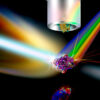
Flow Cytometry (FACS) | 3-Day Hands-on Training ProgramPractical Training in Flow Cytometry, Cell Staining, Data Acquisition & Analysis -
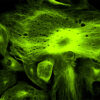
Immunostaining & Microscopy | 4-Day Hands-on Training ProgramPractical Training in Immunofluorescence, Microscopy, Image Acquisition & Quantitative Analysis -
CAR-T Cell Design & Engineering | 4-Day Hands-on Training ProgramPractical Training in CAR-T Cell Therapy, T Cell Engineering & Translational Applications -

Introduction to Bioinformatics | 4-Day Hands-on Training ProgramPractical Training in Biological Databases, Sequence Analysis, Linux, NGS Data & Mini Project Work -

Omics Data Analysis | 5-Day Hands-on Training ProgramPractical Training in Transcriptomics, Proteomics, Metabolomics, Multi-omics Integration & Translational Data Analysis -
XTech Academy Internship Program for Biologists & BiotechnologistsCRISPR-Based Functional Genomics of Cancer-Related Genes in Human Cell Lines -

-

GMP & GCP Professional Certificate ProgramGood Manufacturing Practice (GMP) & Good Clinical Practice (GCP) for Biotechnology, Pharmaceutical and Clinical Research Professionals
XTech Academy Workshops Registration
First, we will initiate the pre-registration process. Upon receipt of your pre-registration, we will promptly contact you with comprehensive registration and payment instructions.
To pre-register, you can reach us through three different methods:
1) Send your request description via email to hello@xtechacademy.com
2) Call us at +4917661075463 and provide your information to the operator
3) Complete the following required details and indicate the applicable courses: